
Supplying Laboratory Equipment and Tools Help Light the Spark of Circular Innovation for UNDP's Sierra Leone Office
Our recent contract
Our recent contract to supply laboratory equipment and tools for the United Nations Development Programme (UNDP) Circular Innovation Lab in Sierra Leone has now completed procurement, customs clearance and loading. The container, packed with equipment and tools, has set sail from Nansha Port in Guangzhou and is on its way to Freetown, the capital of Sierra Leone.
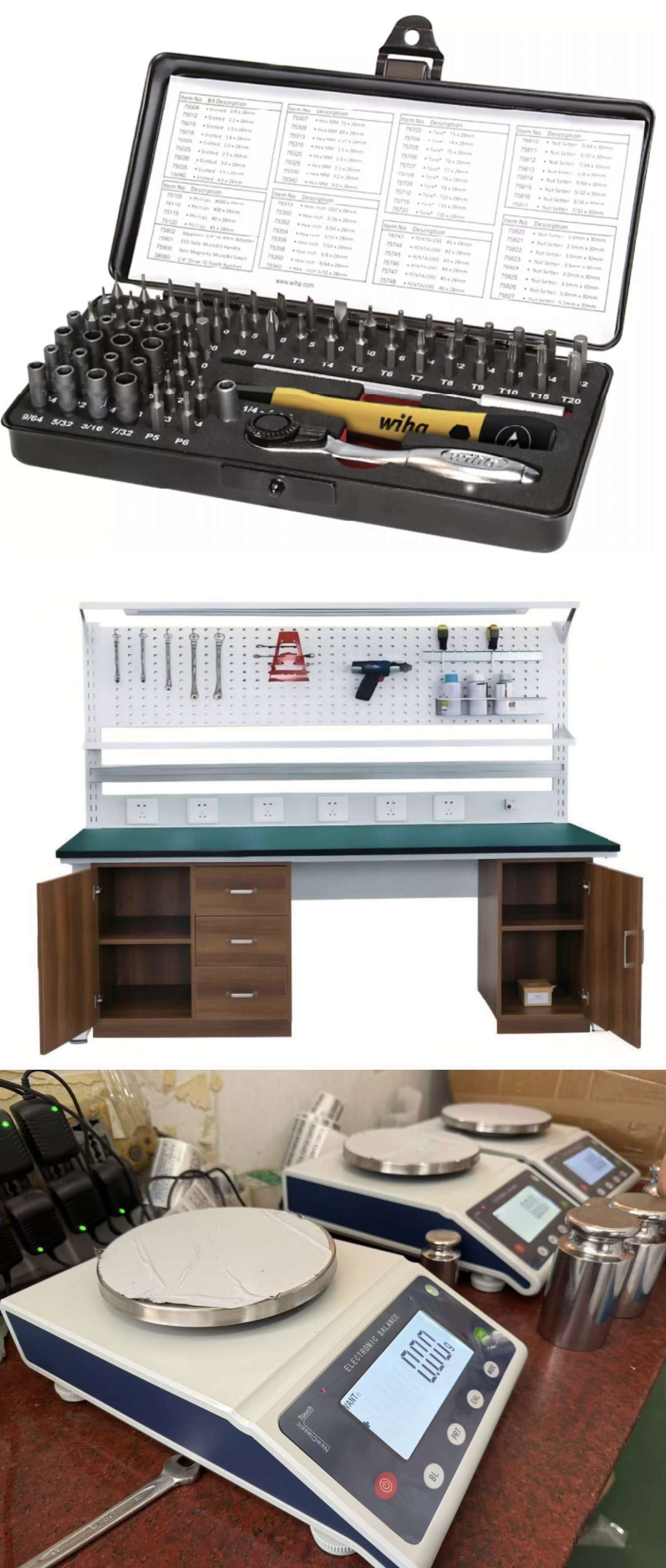
The order covers more than 40 product lines across 125 packed units: tool kits, handheld XRF analyzers, digital microscopes, precision balances, small fume hoods, laboratory safety gear and e-waste sorting tools, alongside metal storage cages, wooden workbenches, shelving, laptops, interactive smart boards and mobile whiteboards. With such a broad product mix, a fragmented supplier base and a tight procurement window, we vetted each supplier individually, set up a dedicated progress tracker and followed every product through its production and delivery milestones, keeping each stage of the chain in sequence and on schedule.
Regulatory compliance was the backbone of this shipment. Working to the requirements set by customs and the carriers, we completed marine transport assessments and commodity inspections well in advance, ran dedicated transport assessments for lithium-battery and other power-containing items, and assembled the full documentation package, including the certificate of origin, inspection certificates and ECTN, so that the cargo could leave the country safely and in full compliance. On quality, every product was inspected on receipt and then consolidated, crated and reinforced by a specialist wooden-case packing plant. We also carried out on-site factory and goods inspections at selected suppliers, reducing risk at the source and holding the quality line on our client's behalf.
The total shipment volume sat close to the practical limit for a full container load, leaving no margin for error in the loading plan or the stowage space. On loading day our project lead traveled to the port to supervise the operation in person and confirm that every item went into the container safely. Port congestion then intervened: the booking was rolled, sailings slipped again and again, and the container sat at the terminal for more than twenty days before it finally got away. Throughout, we stayed in close contact with the freight forwarder and the carrier, adjusting the plan at the first sign of trouble to keep delivery on track.
Because the equipment also has to be installed and commissioned at its destination, we had lined up a local installation partner in advance, completing the technical handover and scheduling the work so that the systems can be installed and brought into service without delay once they arrive.
This shipment is another milestone in our long-standing work in United Nations procurement, and a demonstration of our ability to integrate resources and deliver complete equipment packages.


Cooperation

News and Events